Things To Do in Dar es Salaam: A First-Timer's Guide
Islands, markets, museums and the ocean road. What to actually do with two or three days in Dar es Salaam, written for visitors arriving from abroad, with costs, timings and how to get around.
Dar es Salaam10 min readUpdated 26 August 2026
Most people arrive in Dar es Salaam and leave the same day. The connection to Zanzibar is quick, the safari flights north go early, and the city has a reputation as a place you pass through rather than stop in. That reputation is doing visitors a disservice.
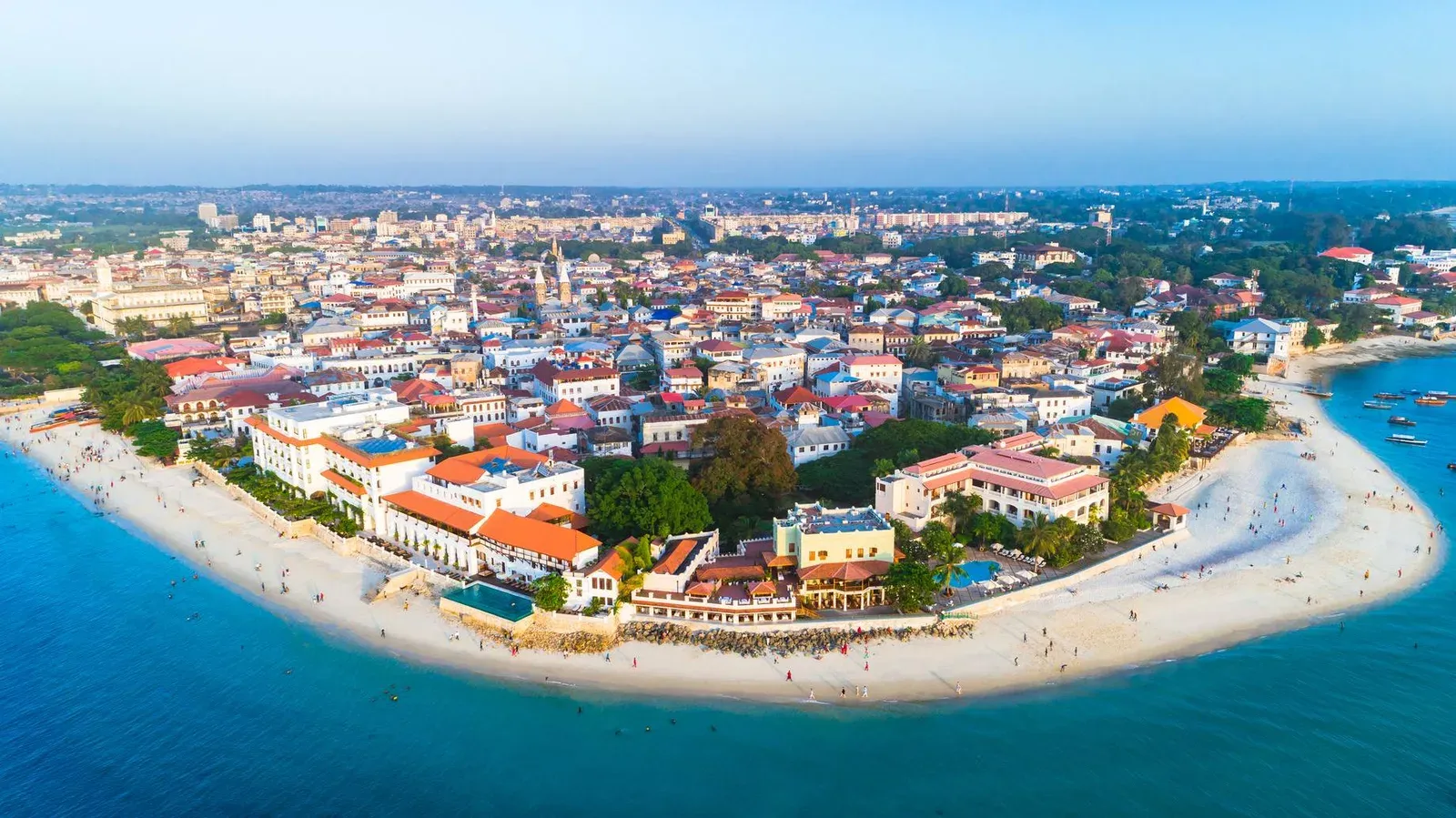
Dar is East Africa's fastest-growing city and a genuinely coastal one, built along a natural harbour with the Indian Ocean at the end of most roads heading east. It has islands twenty minutes offshore that almost nobody visits, the best museum in the country, a fish market that starts at four in the morning, and a food culture that runs from Swahili grills to Indian, Omani and Jamaican cooking without much fuss about any of it. It is hot, loud, unpolished and much more interesting than the guidebooks suggest.
Here is what to do with two or three days.
1. Bongoyo Island
- Getting_There
- Boat from Slipway, Msasani
- Crossing
- About 25 minutes
- Cost
- Boat fare plus a marine reserve fee
- Best
- Weekday morning
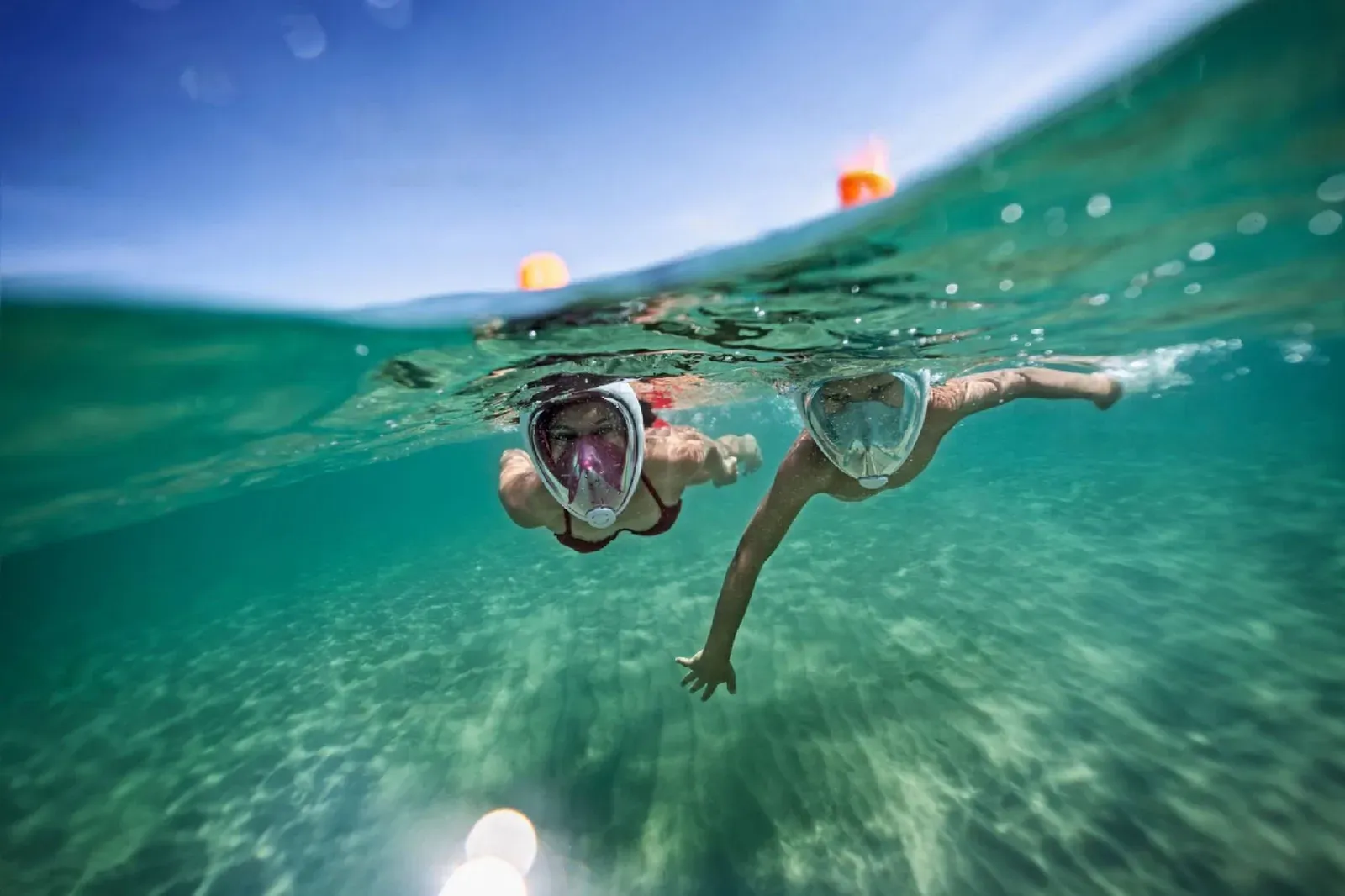
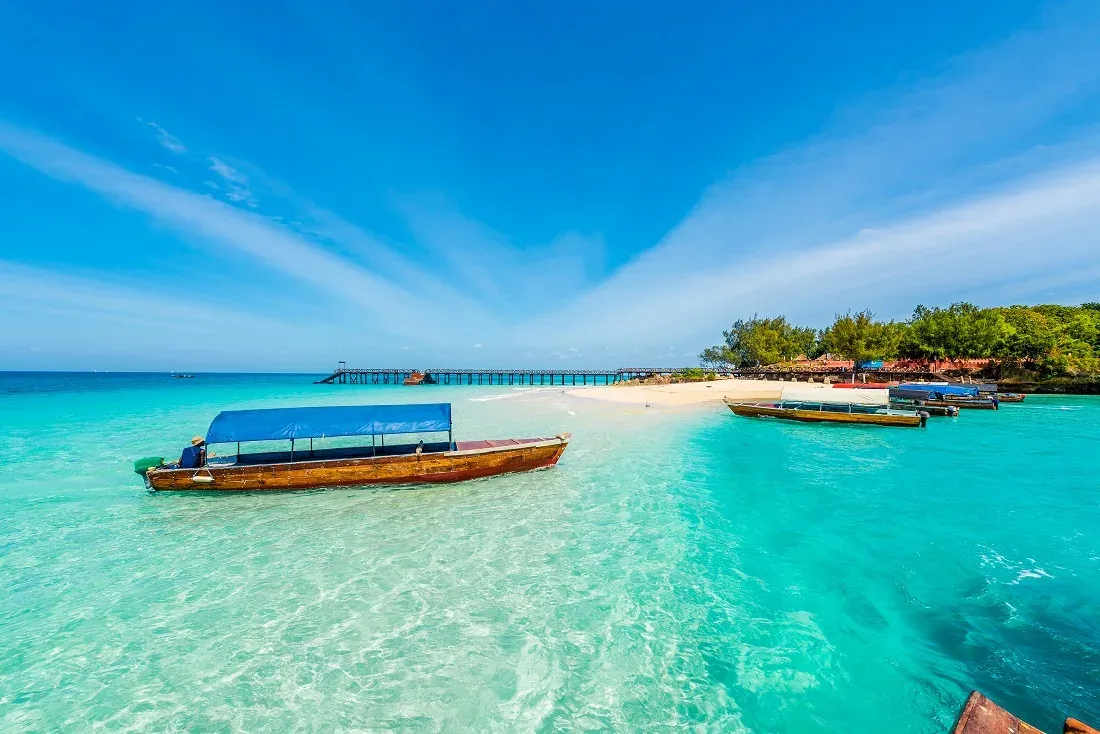
Bongoyo is the easy win, and the one thing to do if you only do one thing. It is an uninhabited island inside the Dar es Salaam Marine Reserve, about twenty-five minutes by boat from The Slipway in Msasani, with white sand, clear shallow water, a sandbar that appears at low tide and a couple of simple beach grills selling fried fish and chips.
Boats run on a fixed schedule through the morning and early afternoon, and the last boat back is early evening. Buy the round trip and the marine reserve entry together at the Slipway jetty. There is shade, but not much of it, and no shop worth the name, so bring water, sunscreen and cash for lunch.
The thing that surprises people is how empty it is. On a weekday you may share the main beach with a dozen others. Weekends bring Dar families out in force and the atmosphere changes entirely, which is fun in its own way but not what you came for.
2. Mbudya Island
- Getting_There
- Boat from Kunduchi or Kawe
- Crossing
- About 20 minutes
- Cost
- Boat fare plus marine reserve fee
- Best
- Weekday, with a picnic
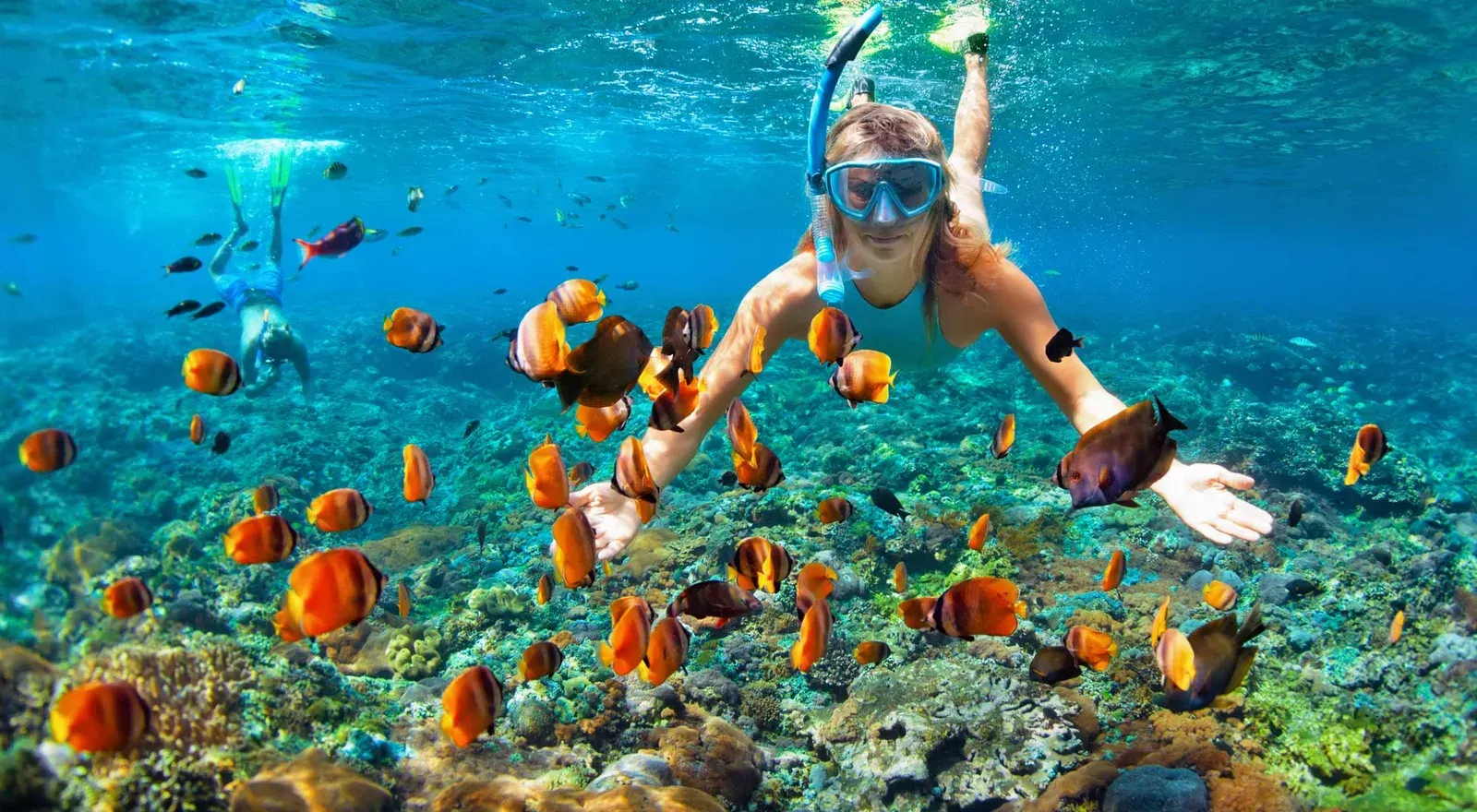
Mbudya is Bongoyo's northern twin and the better choice if you are staying up the coast near Kunduchi or the northern beach hotels. Same marine reserve, same formula: a short boat ride, thatched bandas for shade, grilled fish cooked to order, snorkelling off the rocks at either end.
Mbudya tends to feel slightly more set up for a day out than Bongoyo, with more bandas and a livelier weekend crowd. If you want the quieter of the two, go to Bongoyo. If you want somewhere to spend six hours with a group and a cooler box, Mbudya.
Sinda Island is the third of the set, smaller and less visited, usually arranged as a private charter rather than a scheduled boat.
3. The National Museum of Tanzania
- Area
- Shaaban Robert Street, city centre
- Time
- One to two hours
- Cost
- Modest entry fee, cash
- Best
- Before you travel north
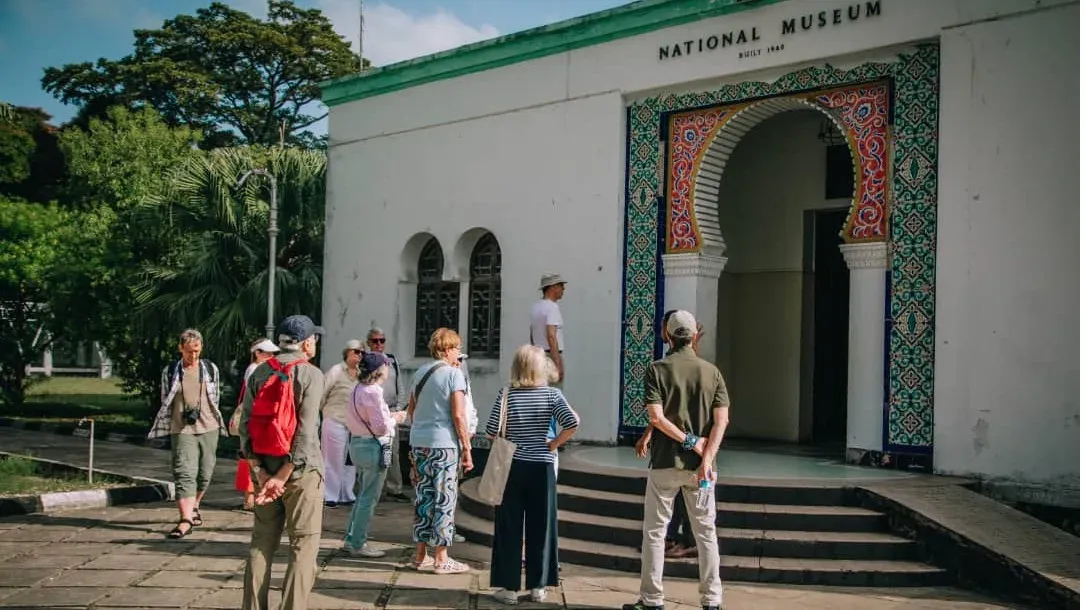
If you are going on safari or to Olduvai afterwards, come here first. The National Museum holds the fossil material from Olduvai Gorge and Laetoli, including casts connected to the Paranthropus boisei discoveries that put Tanzania at the centre of human origins research. Standing in front of that before you drive through the Ngorongoro Conservation Area changes what you are looking at.
The rest of the museum covers the Shirazi and Omani coastal period, the German and British colonial administrations, and independence under Nyerere. It is not a slick museum. Lighting is uneven and some displays have not been touched in years. It is still the best single hour of context available in the country.
4. The Village Museum
- Area
- Bagamoyo Road, Kijitonyama
- Time
- About an hour
- Cost
- Modest entry fee
- Best
- Late afternoon
An open-air site on Bagamoyo Road with full-scale traditional dwellings built by craftspeople from around fifteen Tanzanian ethnic groups, each in its regional style, spread across a green compound you walk between. It is the clearest possible demonstration that "Tanzanian" covers more than a hundred and twenty distinct peoples.
Ngoma dance performances run on weekend afternoons. Go late in the day when the heat drops.
5. Kivukoni Fish Market
- Area
- Kivukoni, by the harbour mouth
- Time
- Go at dawn
- Cost
- Free
- Best
- Around 6am
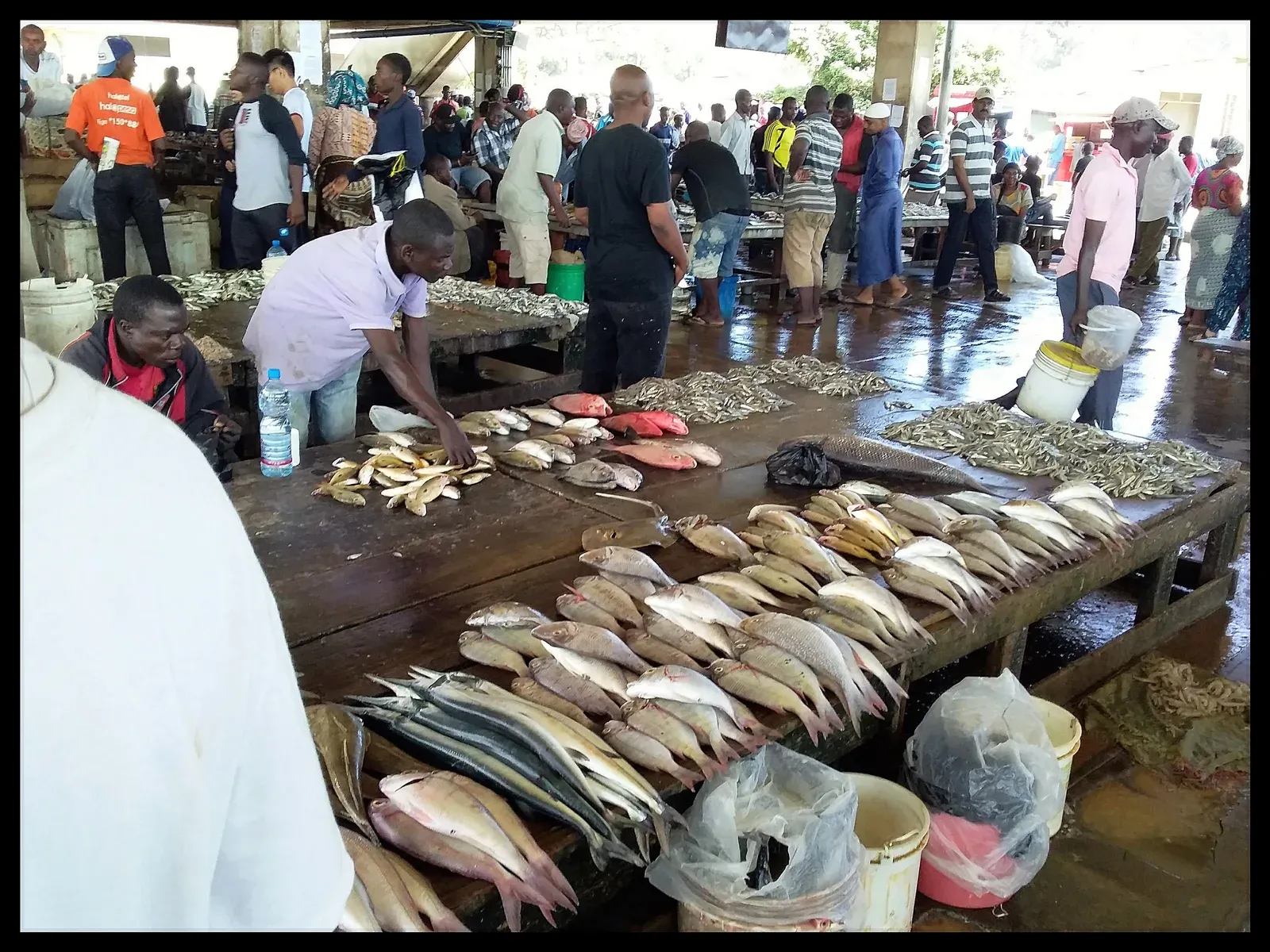
The city's genuine spectacle. Kivukoni sits where the harbour meets the ocean, and from before dawn the dhows come in and the auction floor fills with the night's catch: kingfish, tuna, octopus, prawns, sardines, occasionally something enormous. The auctioneering is fast, loud and completely indifferent to your presence, which is what makes it worth seeing.
Go early, around six. Wear shoes you do not mind ruining, because the floor is wet and the drainage is what it is. Ask before photographing people and expect a firm no from some traders. Keep your phone in your pocket the rest of the time, and leave the good camera at the hotel.
6. Kariakoo Market
- Area
- Kariakoo
- Time
- One to two hours
- Cost
- Free to walk
- Best
- Mid-morning, weekday
Kariakoo is not a tourist market. It is the wholesale engine of the city and, arguably, of the region: several dense blocks of spices, dried fish, produce, textiles, electronics and hardware, with the traffic and volume you would expect from that. Nobody is performing for you. You will be the only visitor on most streets.
Go with a guide or a Tanzanian friend if you can, mid-morning on a weekday, and go with the understanding that this is a working market and pickpocketing is a real and specific risk. Leave the jewellery and the visible phone behind. Bargaining is expected; start well below the opening number and stay cheerful about it.
7. Azania Front Lutheran Church and the colonial waterfront
- Area
- Sokoine Drive, Kivukoni
- Time
- Half an hour
- Cost
- Free
- Best
- Morning light
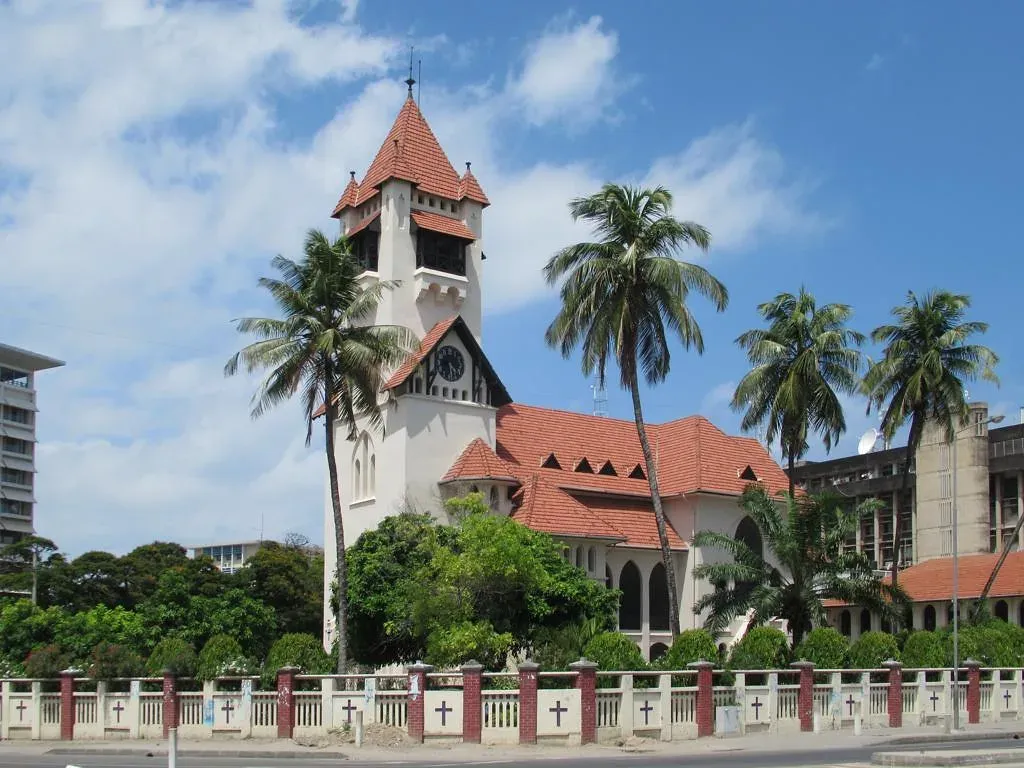
The red-tiled Azania Front Lutheran Church on the harbour front dates to the German colonial period in the 1890s and is the most photographed building in the city. It anchors a short walk along Sokoine Drive that takes in St Joseph's Cathedral, the Old Boma, and the White Fathers' House, most of it walkable in half an hour before the heat arrives.
8. Coco Beach and the Msasani peninsula
Coco Beach on the Msasani peninsula is the city's public beach, and its real character shows up on Sunday afternoons: families, football, grilled maize, sugarcane juice, music from competing speakers, and a sunset that pulls a genuine crowd. The swimming is nothing special and the water is not island-clear. Come for the atmosphere, not the sea.
The peninsula around it is where most visitors end up eating and drinking. It has the ocean on three sides, which is why every good rooftop and terrace in Dar is clustered here.
9. Bagamoyo, if you have a third day
- Distance
- About 70km north
- Drive
- 90 minutes to two hours
- Time
- Full day
Bagamoyo was the terminus of the caravan route from Lake Tanganyika and the main Indian Ocean slave port before Zanzibar overtook it, then the first capital of German East Africa. The name is usually rendered as bwaga moyo, "lay down your heart". The old town, the Catholic mission museum, the German boma and the ruins of the 13th-century Kaole settlement just south sit within a few kilometres of each other.
It is a heavy, quiet place and worth the drive. Hire a car and driver for the day rather than attempting it by public transport.
10. Pugu Hills
Thirty minutes inland, the Pugu Hills Forest Reserve is one of the oldest forest reserves in Africa and an easy half-day of walking trails, birdlife, colobus monkeys and bats, with views back down toward the city. It is the only genuinely cool place near Dar and a good escape when the coast is at its most humid.
Getting around
Use Bolt or Uber. Both operate across the city, both are cheap by any international standard, and both remove the negotiation entirely. A ride from the peninsula to the city centre is a few dollars.
Dala-dalas, the minibuses, are how the city actually moves. They are extremely cheap, extremely full, and route knowledge is essential. Fun once with someone who knows the system.
Bajaji, the three-wheelers, are good for short hops and always negotiated in advance.
Traffic is severe. The city's road network has not kept up with its growth, and the morning and evening peaks are genuinely immobile. Plan around them, and always leave far more time than the map suggests when heading to the airport.
A workable two-day plan
Day one. Kivukoni fish market at dawn. Breakfast on the peninsula. National Museum and the Sokoine Drive walk in the late morning. Village Museum at four when it cools. Sunset and dinner on the peninsula.
Day two. Early boat to Bongoyo from the Slipway. Swim, eat fried fish on the sand, come back mid-afternoon. Coco Beach for the sunset crowd if it is a Sunday, then dinner.
Day three, optional. Bagamoyo with a driver, or Pugu Hills, or a slow day and an early ferry to Zanzibar.
Most days here end the same way: back on the peninsula, up on a roof, watching the light go over the water. Midtown is on the roof of Magesa Ocean View in Masaki, with Jamaican and Swahili cooking and the sunset seating that goes first.
Book a table at MidtownPractical notes
- Currency is the Tanzanian shilling. Withdraw from bank ATMs rather than changing at the airport. Carry small notes.
- Language is Swahili, with English widely spoken in hotels, restaurants and by most people working with visitors. Karibu (welcome), asante (thank you) and pole pole (slowly) will get you a long way.
- Dress modestly in markets and the city centre. Dar is a majority-Muslim coastal city and covered shoulders and knees are simply the courteous default away from the beach and hotels.
- Ramadan changes the rhythm of the city considerably, with many restaurants closed during daylight and the evenings much livelier.
- Yellow fever certificates are required if you are arriving from a country with risk of transmission. Check the current requirement before you fly.
Common questions
- Is Dar es Salaam worth visiting, or should I go straight to Zanzibar?
- Give it two days. Most visitors treat Dar as an airport with a city attached and fly straight on, which is why the islands twenty minutes offshore stay quiet. Bongoyo and Mbudya are genuinely good beaches with almost no crowd, the National Museum and Village Museum are the best context you will get for the whole country before you travel further, and the food is more interesting than Zanzibar's tourist strip.
- How many days do you need in Dar es Salaam?
- Two full days covers the city comfortably: one for the museums, Kariakoo and the ocean road, one for an island. Three lets you add Bagamoyo or a slower morning at Kivukoni fish market. More than that and you should be heading to Zanzibar, Mikumi or Nyerere.
- Is Dar es Salaam safe for tourists?
- Broadly yes, with ordinary city sense. Petty theft and phone snatching are the real risks, concentrated around crowded markets, the ferry terminal and after dark on quiet streets. Use Bolt or Uber rather than flagging cars, keep your phone away in Kariakoo, do not walk the beach at night, and carry a copy of your passport rather than the original.
- What is the best time of year to visit Dar es Salaam?
- June to October is the long dry season and the most reliable window: warm, clear and less humid. December to February is hot but fine. The long rains from mid-March to May can be genuinely heavy and will cancel boat trips to the islands.
- Do I need cash in Dar es Salaam?
- Yes, for a lot of it. Hotels, malls and better restaurants take cards, but island boats, dala-dalas, market stalls, most taxis and museum entries are cash. Withdraw Tanzanian shillings from a bank ATM (CRDB, NMB, Exim) rather than changing money at the airport, and keep small notes.